 Penguin Prompts
AI phone photo prompt generator
A free tool that writes realistic phone-photo prompts for GPT Image 2.5 and other image models — no sign-up, built from prompts we actually tested.
Name the outfit — otherwise the model picks one for you.
When this is on, the prompt ends with: All clothing, packaging and props are plain and unbranded, no logos or readable brand names.
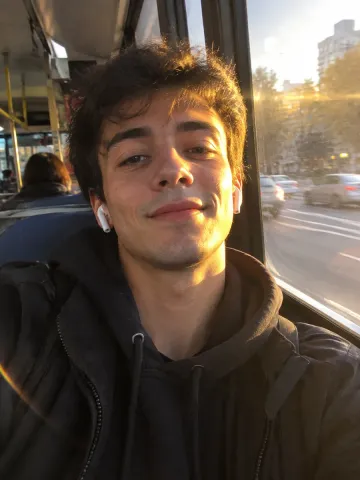
A front-camera selfie of a woman in her 20s wearing a striped long-sleeve shirt, in a bedroom, lit by window daylight, with a blink. real phone photo, natural skin texture, no retouching. Aspect ratio 3:4. All clothing, packaging and props are plain and unbranded, no logos or readable brand names.
Tested shots with this camera
How to use it
- Pick a camera, one scene, and one light. Front camera, a mirror, a friend holding the phone, first-person, or a 2000s point-and-shoot. One light, such as laptop glow, window daylight, or a flash that flattens the face.
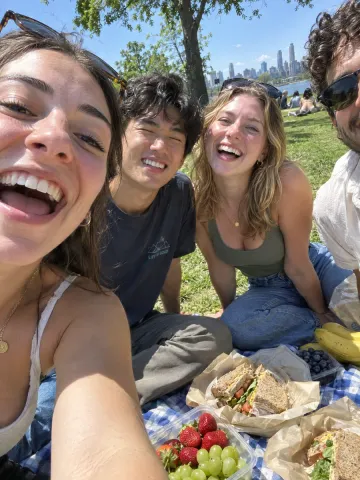
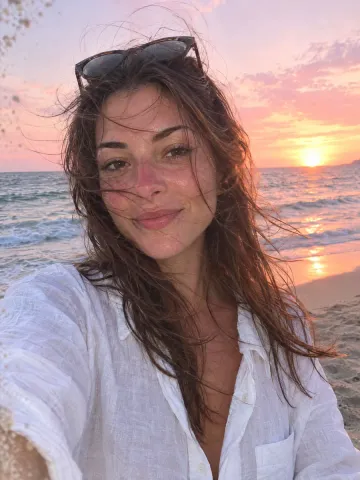
- Name the outfit — otherwise the model picks one for you. A striped long-sleeve shirt or a linen shirt kept the party and beach photos everyday.
- Leave at least one flaw on: a blink, a half-cut face, red-eye, a date stamp, or a smudged lens.
- Copy the prompt into GPT Image 2.5 or ChatGPT. This page does not generate the image, and it does not ask you to sign up.
Questions
How do I make an AI photo look like a real phone photo?
Name the camera, give one real light source, and add at least one flaw. Name the camera (front camera, mirror selfie, or a 2000s point-and-shoot with direct flash), give one real light source, and add at least one flaw: a blink, a half-cut face, red-eye, a date stamp or a smudged lens.
Why do brand logos appear in GPT Image photos?
GPT Image 2.5 adds real logos on its own unless the prompt tells it not to. In our runs the model added real logos on its own: outdoor-brand jackets, a convenience-store chain, chip bags, soda cans and band posters. Ending the prompt with "All clothing, packaging and props are plain and unbranded, no logos or readable brand names." removed them in every case.
Why did the model change the outfit?
If the prompt does not name an outfit, the model picks one. When we did not name an outfit for party and beach scenes, GPT Image 2.5 chose low-cut tops. Naming the clothing (a striped long-sleeve shirt, a linen shirt) kept the photos everyday.
What flaws make an AI photo look real?
One small flaw is enough: a blink, a half-cut face, red-eye, a date stamp, or a smudged lens. On the group selfie, someone blinking and a half-cut face both appeared, which is what makes it read as a real group selfie. The other tested prompts use motion blur, flash glare, or heavy grain the same way.
Does this work in ChatGPT?
Yes. The same prompts should work in ChatGPT, though the result can differ slightly. We tested through the API with the gpt-image-2.5 model. The same prompts should work in ChatGPT, but results there can differ slightly because ChatGPT may rewrite prompts before generating.
Does it work with Midjourney or other models?
These still prompts were tested on GPT Image 2.5, not on Midjourney. We have not published Midjourney runs. For phone-footage video, Veo 3.1 Fast handled everyday and warm scenes on the first run, and Seedance 2.0 followed logical twists more closely.
Is it free, and do I need an account?
This page is free and does not ask for an account. The prompt is built in your browser. Copy it into the image tool you already use.
How much does generating one image cost?
About $0.02 per image through the API in October 2026, at 1536×2048 and high quality. This page does not generate the image. The selfie and flash set, including reruns, cost about $1.50.
What aspect ratio should I use for Instagram or TikTok?
Use 3:4 for a portrait still, 9:16 for a tall phone frame, and 1:1 for a square. Most of the tested GPT Image 2.5 photos are 3:4. The square flash shots are 1:1. The phone-footage videos are vertical 9:16.
Can I use the prompts commercially?
Yes. Copy and change them however you like. What you generate is governed by the terms of the model you use.
Why does the form allow only one light source?
One real light source keeps the photo from looking staged. The working stills name a single source, such as laptop glow, window daylight, or a flash that flattens the face.